
Cleaning Messy Datasets Before Analysis: A Step-by-Step Checklist
Most analysis problems start as data problems. Use this checklist to find duplicates, missing values and inconsistent entries before they skew your results.
Dr. Ananya Mehta Oct 25, 2026 2 min read
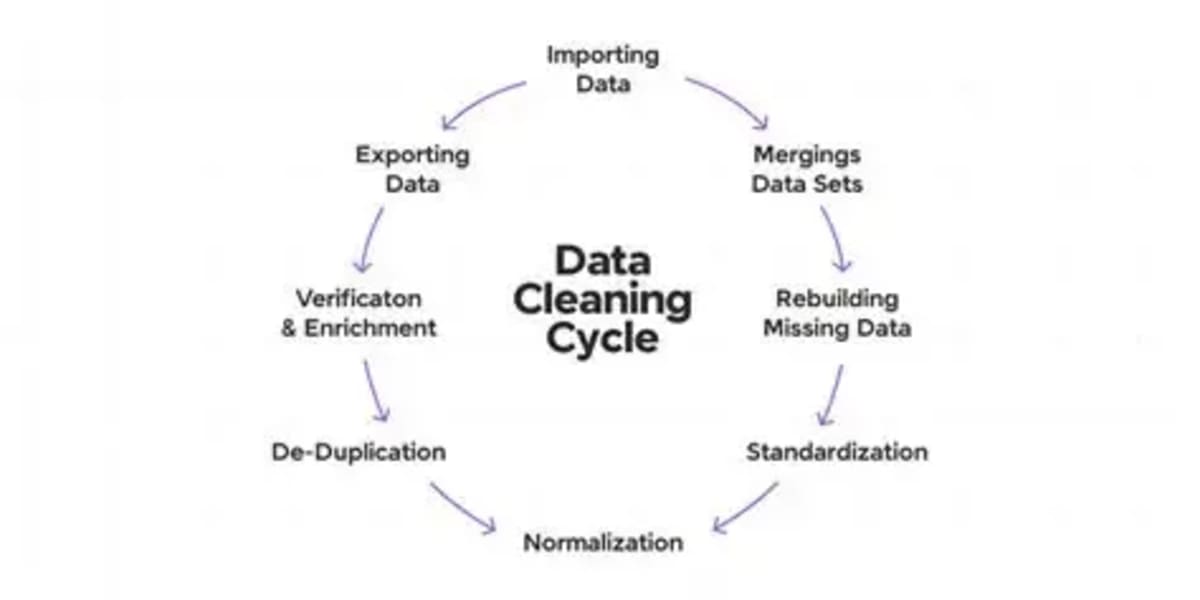
Raw data is rarely ready for analysis. Typos, duplicate rows and mixed formats quietly change averages and break comparisons. A repeatable checklist keeps you from skipping steps when deadlines are close.
Before you change anything
Keep an untouched copy of the raw file. Do all cleaning in a script or a documented sequence of steps so another person can reproduce it.
The checklist
- Check the structure. Confirm column names, data types and the number of rows against your codebook.
- Remove duplicates. Decide what makes a record unique, then drop exact repeats and review near-duplicates by hand.
- Standardise formats. Dates, units, capitalisation and category labels should look the same everywhere.
- Handle missing values. Find out why data is missing before you delete or fill it. Missing at random and missing for a reason need different treatment.
- Look for impossible values. Ages below zero, dates in the future and percentages above 100 are errors, not outliers.
- Review outliers. Extreme values can be real. Check the source before removing them, and report what you did.
- Validate against another source. Compare totals or counts with a trusted report to catch import mistakes.
Document every decision
Keep a short log: what you changed, how many rows it affected and why. This turns cleaning from a hidden step into part of your method.
Clean data will not guarantee a good study, but dirty data almost guarantees a weak one.
data cleaningdatasetsdata qualityanalysis